Discover the Power of Probiotics
In today's world of health and wellness, there's a growing interest in a remarkable group of microorganisms that play an essential role in our overall well-being. These friendly microbes help support digestion, strengthen natural immunity, and contribute to maintaining a balanced and healthy gut.
What Are Probiotics?
Probiotics are living microorganisms that, when consumed in adequate amounts, provide health benefits to the body. Often referred to as "good bacteria," they naturally reside in our digestive system and help maintain a healthy balance within the gut microbiome.
These beneficial microbes assist in digestion, support nutrient absorption, contribute to immune function, and help reduce inflammation. Their presence is essential for maintaining optimal digestive and overall health.
Probiotics enter the body through foods, beverages, and supplements. Once consumed, they travel through the digestive tract and establish colonies within the gut. These colonies help create an environment that supports healthy digestion and overall wellness.
Where Do These Beneficial Microbes Come From?
Probiotics enter the body through foods, drinks, and supplements. Once consumed, they establish themselves within the digestive system and contribute to maintaining a balanced gut environment.
These microorganisms can include both beneficial bacteria and yeasts that work together to support digestion, nutrient absorption, and overall health.
Not All Bacteria Are Harmful
Many people associate bacteria with disease and infection. However, scientific research has shown that countless beneficial bacteria naturally reside within the human body and play a vital role in maintaining health.
Modern lifestyles often involve the excessive use of antiseptics, preservatives, and antibiotics. While these products have important uses, they can sometimes disrupt the natural balance of beneficial microbes in the gut.
When beneficial bacteria decrease, harmful microorganisms may gain an advantage, potentially affecting digestion, immunity, and overall well-being.
What Is the Microbiome?
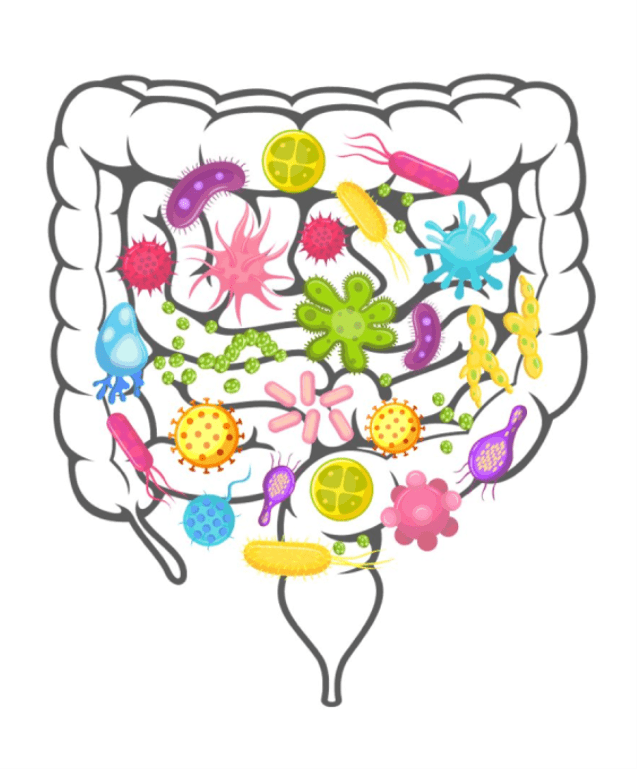
The gut is home to a complex community of microorganisms collectively known as the microbiome. This internal ecosystem contains trillions of bacteria, yeasts, and other microbes that work together to support numerous bodily functions.
A healthy microbiome consists of a balance between beneficial and potentially harmful microbes. Maintaining a strong population of beneficial microorganisms is essential for digestive health, immunity, metabolism, and overall wellness.
The Consequences of Imbalance
When the microbiome becomes disrupted, digestive health can suffer. An unhealthy gut environment may contribute to inflammation, digestive discomfort, weakened immunity, and poor nutrient absorption.
One commonly discussed condition is increased intestinal permeability, often referred to as "leaky gut." In this situation, unwanted substances may pass through the intestinal lining and enter the bloodstream, potentially triggering inflammatory responses.
Research has explored possible links between poor gut health and a variety of conditions, including fatigue, digestive disorders, allergies, autoimmune conditions, obesity, and mood-related concerns.
The Role of Probiotics
Think of your digestive system as a home that requires regular care and maintenance. Just as a home needs cleaning, repairs, and upkeep, your gut benefits from the support of beneficial microorganisms.
Probiotics help maintain digestive balance by supporting the gut lining, assisting with nutrient absorption, and contributing to a healthier digestive environment.
These microorganisms also help produce beneficial enzymes and certain vitamins that support digestion and overall wellness.
Nurturing a Healthy Microbiome
Rebalancing the microbiome is possible through consistent dietary and lifestyle choices. Introducing probiotic-rich foods and beverages can help increase microbial diversity and support digestive wellness.
Additional habits that may contribute to a healthier gut include:
- Reducing highly processed foods
- Limiting refined sugars
- Managing stress effectively
- Getting adequate sleep
- Staying physically active
- Choosing nutrient-dense whole foods
These daily habits can help create an environment where beneficial microbes thrive.
The Journey to Wellness
Building a healthier microbiome takes time, consistency, and patience. However, the positive changes that result from supporting gut health can have a meaningful impact on overall well-being.
By regularly consuming probiotic-rich foods and making mindful lifestyle choices, you can encourage a more balanced gut environment and support long-term digestive and immune health.
A healthier gut can positively influence digestion, energy levels, immunity, mood, and overall quality of life.
Key Benefits of Supporting Gut Health
Supports efficient digestion and nutrient absorption.
Helps maintain the body's natural defense mechanisms.
Encourages the growth of beneficial gut bacteria.
Efficient digestion often contributes to improved vitality.
Start Supporting Your Gut Naturally
Good health begins in the gut. By embracing probiotic-rich foods and fermented beverages as part of a balanced lifestyle, you can take meaningful steps toward better digestion, stronger immunity, and greater everyday vitality.
Small, consistent habits often create the biggest long-term results.