
How Probiotics Can Promote Better Mental Health
The importance of maintaining a healthy gut for physical wellness has been recognized for centuries. Today, emerging research suggests that the digestive system may play an equally important role in supporting mental and emotional well-being. Often referred to as the body's "second brain," the gut communicates constantly with the brain through a sophisticated network known as the gut-brain axis.
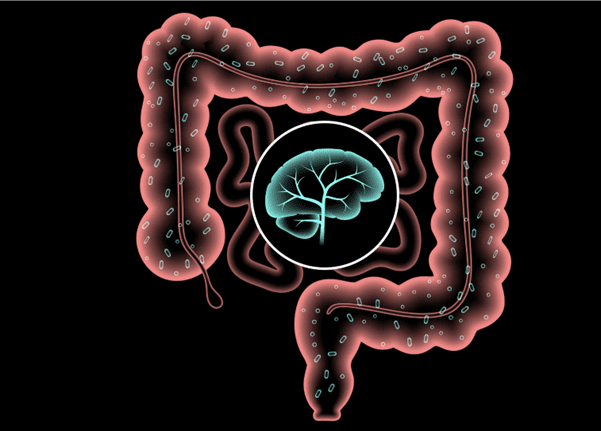
The Gut-Brain Axis: A Two-Way Street
The gut-brain axis is the communication network that links the digestive system and the brain. This complex system involves the nervous system, hormones, immune responses, and biochemical signals that constantly travel in both directions.
Because of this two-way communication, emotional stress can influence digestion, while digestive imbalances may affect mood, focus, and emotional well-being. This close relationship highlights why gut health has become an important area of study in mental health research.
Understanding the Gut Microbiota
The digestive system is home to trillions of microorganisms collectively known as the gut microbiota. This diverse ecosystem includes beneficial bacteria, yeasts, and other microbes that contribute to digestion, nutrient absorption, immune function, and overall health.
When the gut microbiota remains balanced, the body tends to function efficiently. However, factors such as poor diet, chronic stress, lack of sleep, illness, and frequent antibiotic use can disrupt this balance, leading to a condition often referred to as gut dysbiosis.
Researchers have observed associations between gut dysbiosis and various mental health concerns, including anxiety, depression, mood disturbances, and cognitive challenges. While research is ongoing, these findings continue to strengthen interest in the gut-brain connection.
What Role Do Probiotics Play?
Probiotics are beneficial microorganisms that help maintain or restore balance within the gut microbiome. They are naturally present in fermented foods such as yogurt, kefir, kombucha, kimchi, and sauerkraut, and are also available as dietary supplements.
By supporting a healthy microbial balance, probiotics may influence several biological processes that contribute to mental well-being.
Reducing Inflammation
Chronic inflammation has been linked to numerous health conditions, including those that affect mood and mental health. An imbalanced microbiome may contribute to inflammatory responses throughout the body.
Probiotics help encourage the growth of beneficial bacteria while limiting the activity of harmful microbes. A healthier microbial balance may help support normal immune responses and reduce excessive inflammation, which researchers continue to study in relation to emotional well-being.
Supporting Neurotransmitter Production
Certain gut bacteria are involved in producing and influencing neurotransmitters, the chemical messengers that help regulate mood and behavior.
Serotonin, often referred to as the "feel-good" neurotransmitter, is largely produced within the digestive system. Other important compounds such as gamma-aminobutyric acid (GABA) are also influenced by gut microbes.
By supporting a balanced microbiome, probiotics may help create an environment that encourages healthy neurotransmitter activity and emotional regulation.
Strengthening the Gut Barrier
The intestinal lining serves as a protective barrier between the digestive tract and the bloodstream. When this barrier becomes compromised, unwanted substances may pass into circulation, potentially triggering inflammation and immune responses.
This phenomenon is commonly referred to as increased intestinal permeability or "leaky gut." Probiotics may help support the integrity of the intestinal barrier, contributing to a healthier digestive environment and potentially reducing factors that influence overall well-being.
Helping the Body Manage Stress
Chronic stress can negatively affect both the brain and the digestive system. Stress-related changes in the body may alter the composition of the gut microbiome, creating an imbalance that can further affect mood and health.
Researchers believe probiotics may help influence the hypothalamic-pituitary-adrenal (HPA) axis, one of the body's primary stress-response systems. By supporting microbial balance, probiotics may contribute to a healthier response to everyday stressors.
Potential Benefits of Probiotics for Mental Wellness
Encourages communication between the digestive system and the brain.
Helps support neurotransmitter production and emotional well-being.
Encourages a balanced immune response through gut health.
Supports beneficial bacteria and digestive wellness.
Simple Ways to Include More Probiotics
Adding probiotics to your daily routine can be simple and enjoyable. Consider incorporating naturally fermented foods and beverages into your diet, including:
- Kefir
- Kombucha
- Yogurt with live cultures
- Kimchi
- Sauerkraut
- Other traditionally fermented foods
If considering probiotic supplements, it is advisable to consult a qualified healthcare professional, especially if you have existing medical conditions or specific health concerns.
Nurturing Your Gut May Help Nurture Your Mind
The growing body of research surrounding the gut-brain connection continues to reveal just how closely digestive health and mental well-being are linked.
By supporting a healthy gut microbiome through probiotic-rich foods, balanced nutrition, stress management, and healthy lifestyle habits, you may be taking an important step toward supporting both your physical and mental wellness.
A healthy mind often starts with a healthy gut.